Selecting the appropriate size of penetrating solar mounting begins with understanding roof structure, purlin spacing, and load requirements. Many installers rely on metal roof mounting brackets to secure arrays on different roof types, but determining the correct dimensions depends on wind rating, panel orientation, and roof pitch. When evaluating options provided by Clenergy, users typically review structural considerations rather than looking solely at product length or height. For corrugated surfaces, a corrugated metal roof solar mount must match the profile of the sheet and ensure proper load transfer to the supporting frame.
Key Factors Influencing Mounting Size Selection
The suitability of any penetrating system depends on the roof’s mechanical properties and the expected environmental conditions. A correctly sized penetrating solution ensures structural integrity without overloading the roof surface. Installers often assess purlin spacing to determine whether longer or shorter mounting legs are needed. When working with metal roof mounting brackets, proper alignment becomes crucial to avoid unnecessary stress on the roof. For projects involving a corrugated metal roof solar mount, fitting the bracket contour to the roofing material minimizes gaps and improves long-term durability. They also evaluate tilt requirements, array size, and the thermal expansion range of the racking system.
How Clenergy Solutions Fit Different Roof Types
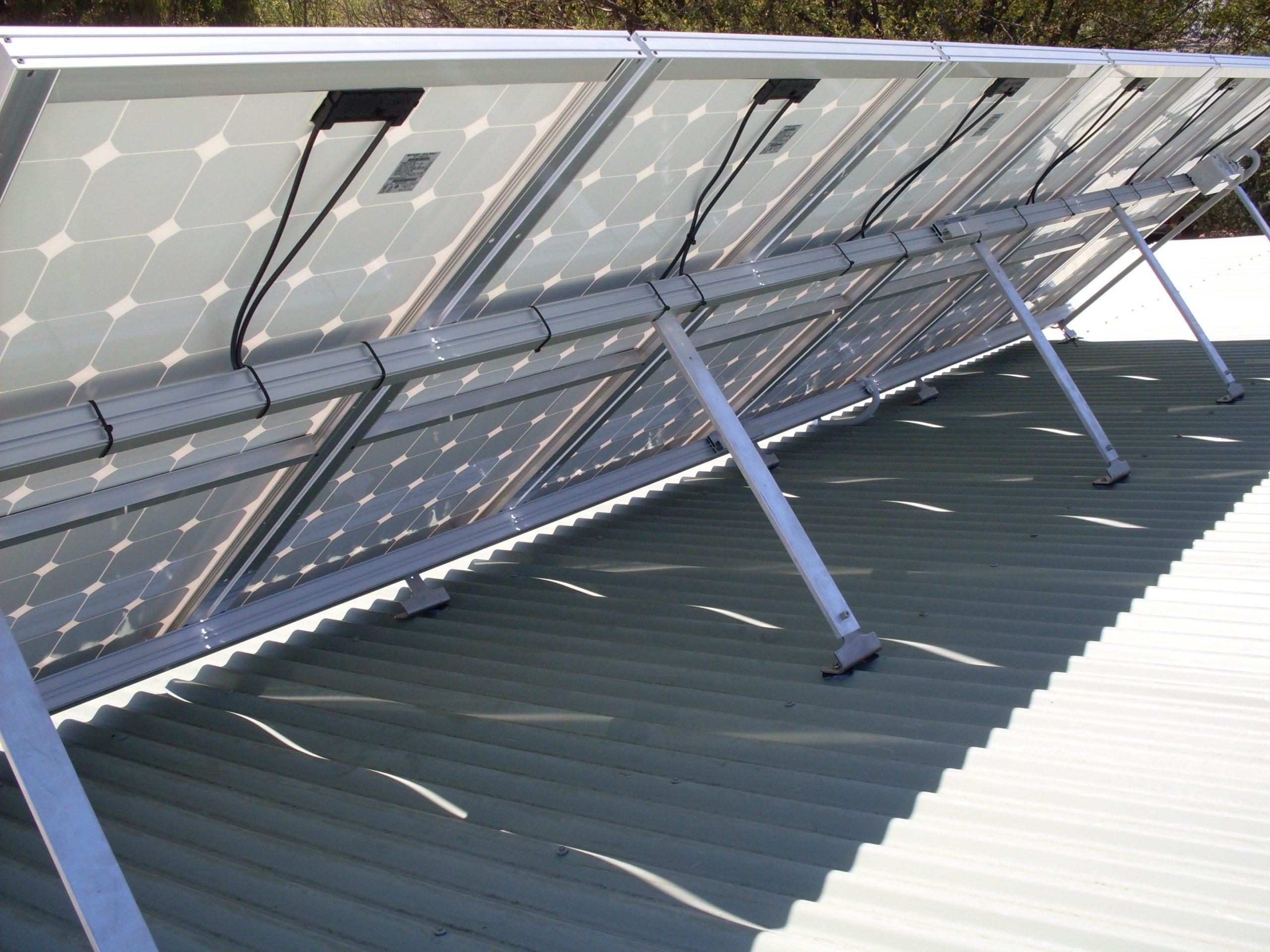
They offer multiple penetrating options specifically engineered for metal and corrugated surfaces. The SolarRoof™ Penetrative series provides adaptable configurations suitable for pitched and corrugated installations. These solutions address various roof structures and allow installers to select the correct bracket height based on purlin design. Their Tilt Legs illustrate this flexibility: with three adjustable legs supporting 10–60-degree tilt angles, they meet diverse elevation needs without requiring custom fabrication. Whether paired with metal roof mounting brackets or configured for a corrugated metal roof solar mount, the system aligns with standard purlin spacing to maintain stability and performance over time.
Conclusion:Matching System Size to Practical Requirements
Choosing the right size penetrating solar mounting depends on roof geometry, purlin layout, and project performance needs. Using compatible racking components ensures safe installation and supports long-term operation. They address these requirements through the SolarRoof™ Penetrative series, offering adaptable configurations designed for practical field conditions. Their adjustable Tilt Legs provide reliable performance across different roof types, forming a balanced option for installers seeking systems suitable for varied roof structures.
