A resale house carries two kinds of history. One is visible in finishes, repairs, and wear; the other survives in invoices, service notes, warranties, photographs, and explanations. Neither is complete by itself. A freshly painted surface may conceal nothing more than routine renewal, while a thick folder of receipts does not prove that every issue was resolved. The useful task is to arrange the evidence in time and see where the documentary story agrees with the present condition.
Build a Chronology Before Forming a Verdict
Start with dates rather than categories. Place routine servicing, repairs, replacements, and alterations in sequence. A timeline reveals whether work followed ordinary upkeep, a single event, or a recurring symptom. The distinction matters: repeated attention to the same area may justify a more precise question, while a long gap may mean that records are missing rather than that no work occurred.
Separate Maintenance From Response
Routine work is usually scheduled to preserve function. Event-driven repair begins after a leak, failure, impact, or other disruption. Ask which description fits each document and whether the stated work addresses a cause, a symptom, or both. An invoice may name materials and labor without explaining why they were needed. A dated photograph can add context, but it should not be asked to prove what lies outside the frame.
Connect Paper Evidence With What Is Visible
Take the chronology back through the house. If records mention roof work, look for the location described and note the current ceiling finishes below it. If a pump, tank, air-conditioning unit, gate motor, or electrical component was replaced, confirm that model details and dates correspond with what is installed. Differences are not automatic evidence of a problem; they are prompts to clarify whether later work occurred or the document relates to another component.
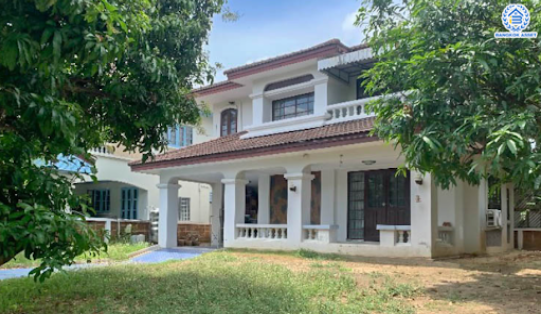
This documentary approach is especially useful when considering second-hand detached houses in Nonthaburi with maintenance records. Records can help a reader frame property-specific questions, but they should support rather than replace an independent assessment of current condition.
Look also for the small consistencies that make a record credible. Names, addresses, component descriptions, photographs, and warranty references should align with one another. A handwritten note may still be valuable, while a formal invoice may remain ambiguous if its scope is vague. Judge each item by what it can establish, not by how professional it appears.
Treat Gaps as Questions, Not Accusations
Older documents are often incomplete. Ownership changes, lost receipts, informal work, and faded labels can leave blank periods. Record those periods without inventing a negative explanation. Ask what the owner remembers, whether service providers can identify past work, and which claims can be supported by remaining evidence. The tone should remain neutral because uncertainty is not the same as concealment.
Repeated repairs deserve similar discipline. Three visits by a technician might show persistence, routine follow-up, or separate issues recorded under a broad description. The chronology should state what is known and preserve the uncertainty. Turning a pattern into a conclusion before qualified review can be as misleading as ignoring the pattern entirely.
Use the Timeline to Brief an Inspector
A maintenance history becomes practical when it improves the next inspection. Share the dates, locations, component names, photographs, and unresolved questions with an appropriately qualified professional. This allows attention to be directed without dictating the outcome. It can also help distinguish an old, completed repair from a current condition that deserves further investigation.
The story of a house is rarely a neat archive. It is a set of fragments that gain meaning when placed beside one another and compared with what exists today. A strong maintenance review neither rewards paperwork blindly nor treats missing records as proof of neglect. It creates a disciplined account of what happened, what can be verified, and what still needs expert attention before the household relies on the story.