Grid connectivity remains a primary consideration for facility managers and homeowners when installing new power infrastructure. Many people ask whether a modern setup requires a permanent link to utility power or if it functions independently. The answer often depends on the specific project requirements and the desired reliability of the local electricity supply.
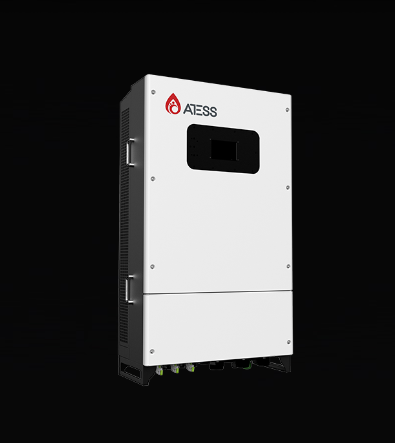
Understanding the Role of a Battery Energy Storage System
Most modern installations maintain a connection to the utility grid to ensure continuous availability. A battery energy storage system functions as an intelligent interface between the onsite power source and the external grid. When local generation exceeds immediate demand, the system stores the surplus. Conversely, if local needs rise above the generation capacity, the battery energy storage system draws power from the grid to fill the gap.
Atess provides equipment that manages these bidirectional flows with high precision. By using a battery energy storage system, facilities can mitigate the impact of price fluctuations or power interruptions. The grid acts as a secondary reservoir, ensuring that critical loads remain energized even if the local storage capacity is depleted during extended periods of low generation.
Integrating Energy Storage Systems
The architecture of current energy storage systems is built for flexibility, allowing for both grid-tied and hybrid configurations. In a grid-tied environment, the energy storage systems communicate with utility infrastructure to balance power quality and frequency. This interaction is essential for grid stability, as it allows the site to contribute power back to the network during high-demand events.
Atess ensures that their hardware supports these sophisticated communication protocols. When they deploy energy storage systems, the goal is to provide a reliable bridge that satisfies both local site demands and broader utility expectations.
Deciding to stay connected to the grid is a strategic choice for many organizations. While off-grid capability is possible, maintaining a utility connection offers a level of redundancy that many commercial and industrial sites require. Through the intelligent application of storage hardware, users gain control over their electricity without sacrificing the security of a reliable grid connection.
