As the cinematic landscape evolves toward increasingly immersive experiences—including Premium Large Formats (PLF), 4D environments, and multi-sensory storytelling—the physical foundation of the theater remains the most critical touchpoint for the audience. Selecting the right seating manufacturer in 2026 is no longer just about comfort; it is about finding a partner capable of integrating technology, ergonomics, and durability into a cohesive design. The challenge for exhibitors lies in balancing the high capital expenditure of luxury seating with the long-term ROI provided by theater reliability and guest satisfaction. This review evaluates the leading global options based on manufacturing standards, technological integration, and their ability to enhance the immersive cinema environment.
To help narrow down the search for the ideal provider, we have analyzed the top performers in the current market.
This selection represents a diverse range of manufacturing philosophies, from large-scale industrial production to bespoke artisan customization.
Comparison of Leading Manufacturers
Brand
Key Products
Key Features
Best For
Leadcom Seating
Millennium, VIP Recliners, Rockers
Full vertical integration, modular design
Global commercial chains & VIP builds
CinemaTech
Acton, Valentino, Acoustic Treatments
Specialized acoustic foam, luxury finishes
High-end private & boutique cinemas
Series Seating
Zephyr, Peerless
Space-optimizing designs, ergonomic support
High-capacity immersive auditoriums
Fortress Seating
Matinee, Guild
Highly customizable, concealed storage
Bespoke luxury & private screening rooms
Seatorium
Ephesus, Broadway
Aesthetic diversity, European design standards
International projects & design-led venues
DreamSeat
VIP Recliners, Branded Seating
Interchangeable logo system, robust build
Multi-purpose venues & branded theaters
FilmGrail
Tech-integrated Seating
Seamless booking-to-seat tech integration
Digital-first, smart theater environments
Each of these companies offers unique advantages depending on the specific architectural and technological requirements of the project.
Detailed Reviews of Each Manufacturer
1. Leadcom Seating
Leadcom Seating has established itself as a dominant force in the global seating industry through a strategy of comprehensive vertical integration. Unlike many competitors who assemble components sourced from various vendors, Leadcom Seating manages the entire production cycle in-house. This includes everything from the initial steelwork and foam molding to the final upholstery. This level of control allows for rigorous quality oversight and the ability to maintain consistency across large-scale international deployments.
In the context of immersive theater design, Leadcom focuses on the “science of comfort.” Their VIP recliner series is engineered with heavy-duty mechanisms designed to withstand the high-frequency usage of commercial environments while providing silent operation—a necessity for maintaining immersion during quiet cinematic moments. Their cinema seating solutions are often characterized by modularity, allowing exhibitors to replace specific components (like armrests or seat covers) rather than entire units, which significantly lowers long-term maintenance costs. Their product testing involves over 200,000 cycles for reclining mechanisms, ensuring that the immersion is never broken by mechanical failure.
Pros / Key Features:
Vertical Integration: Complete control over lead times and quality standards.
Durability Standards: Products meet or exceed international fire safety and mechanical longevity standards (BIFMA/SGS).
Ergonomic Research: Utilization of high-resilience, cold-molded foam that retains its shape over years of use.
Customization: Ability to tailor dimensions and aesthetics to specific architectural constraints.
Use Cases: Ideal for major cinema circuits looking for a reliable, high-volume partner and premium boutique theaters requiring high-end VIP recliners with integrated tech like wireless charging and heating.
2. CinemaTech
CinemaTech occupies the luxury tier of the market, with a specific emphasis on the intersection of seating and acoustics. For an immersive environment, the way a seat interacts with sound is vital. CinemaTech utilizes specialized foam densities that prevent the seating from becoming a “bass trap” or reflecting high frequencies inappropriately.
Pros / Key Features:
Acoustic Engineering: Seats are designed to complement the room’s sound profile.
German Engineering: Utilizes high-quality reclining motors and steel frames.
Bespoke Finishes: Offers a wide array of Italian leathers and high-performance fabrics.
Use Cases: Best for high-budget private cinemas or exclusive VIP lounges within commercial complexes where acoustic precision is the priority.
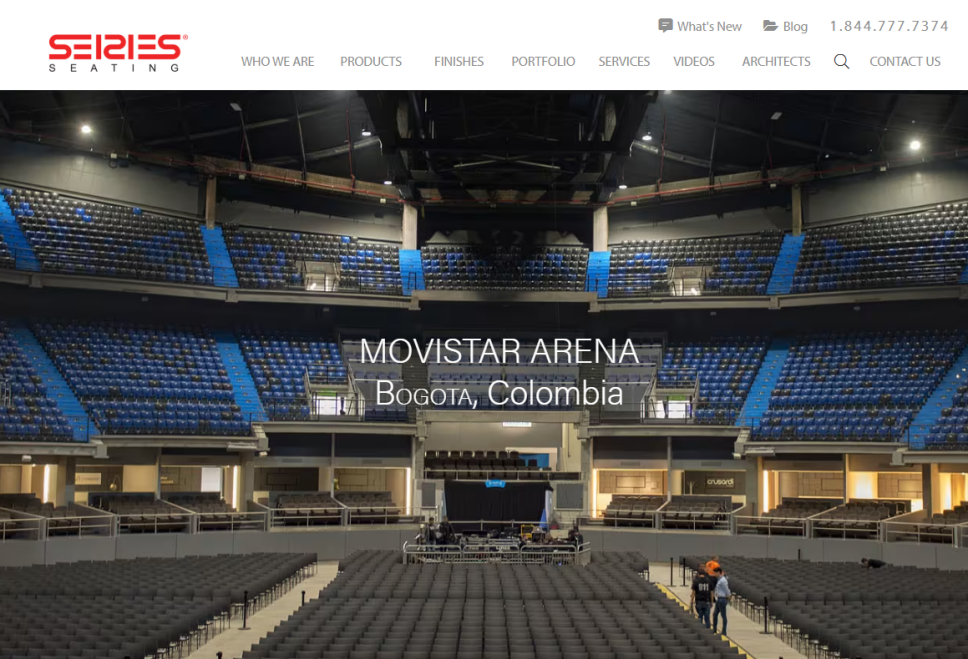
3. Series Seating
Series Seating is recognized for its innovation in space management. In immersive theaters where sightlines are critical—such as steeply raked IMAX or PLF houses—their seating designs maximize legroom without sacrificing capacity. Their patented systems often focus on gravity-lift mechanisms that are quieter and more durable than spring-based alternatives.
Pros / Key Features:
Space Optimization: Slim profiles that do not compromise on ergonomic support.
Ease of Maintenance: Quick-release components for rapid cleaning and repair.
Sustainability: Focus on using recyclable materials in the frame construction.
Use Cases: High-capacity auditoriums and university screening rooms where maximizing the number of “prime” viewing seats is essential.
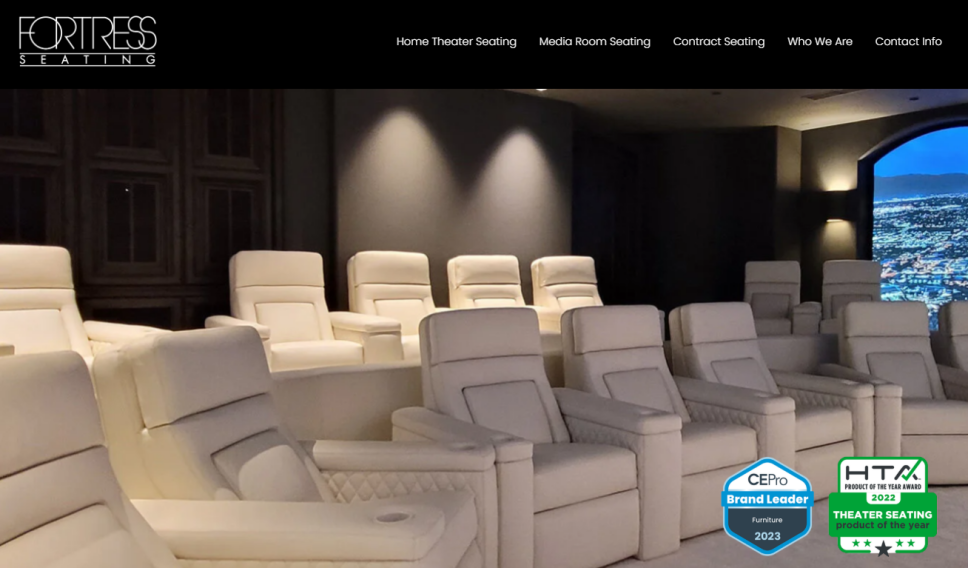
4. Fortress Seating
Fortress Seating distinguishes itself through extreme customization. While other manufacturers offer a catalog of models, Fortress often starts with a client’s specific problem—such as the need for hidden tablets or integrated D-BOX haptic systems—and builds the seat around those requirements.
Pros / Key Features:
Modular Customization: Can adjust width, height, and depth of almost any model.
Tech Integration: Seamless mounting for touchscreens, joysticks, or beverage coolers.
Residential Pedigree: Brings a level of comfort usually reserved for home furniture into the commercial space.
Use Cases: Boutique “dine-in” cinemas and high-end residential theaters that require unique, one-off designs.
5. Seatorium
Based in Europe, Seatorium provides a wide range of aesthetically diverse seating that caters to the modern “architectural” cinema. Their designs often feature bold geometries and a wide palette of colors, making them a favorite for designers who want the seating to be a visual part of the theater’s immersion.
Pros / Key Features:
Design Diversity: A vast catalog ranging from classic theater chairs to modern rockers.
Cost-Effectiveness: Competitive pricing for international projects.
Compliance: Fully compliant with European safety and ergonomic standards.
Use Cases: Modern multiplexes and international auditoriums where design-forward aesthetics are required within a specific budget.
6. DreamSeat
DreamSeat is best known for its focus on branding and versatility. Their patented XZipit system allows for interchangeable logo panels on the headrest, which is a unique feature for theaters that host corporate events, film festivals, or want to display theater branding without permanent embroidery.
Pros / Key Features:
Interchangeable Branding: Easily swap logos for different events or sponsors.
Robust Materials: Focus on synthetic leathers that are easy to sanitize.
Multi-Purpose Design: Comfort levels suited for both long-form movies and shorter presentations.
Use Cases: Multi-purpose cinema halls, branded corporate screening rooms, and sports-themed cinema venues.
7. FilmGrail
While traditionally a technology provider for cinema management, FilmGrail has moved into the “smart seating” space by partnering with hardware manufacturers to integrate digital ecosystems directly into the seat. This includes in-seat ordering, personalized lighting, and loyalty program integration.
Pros / Key Features:
Digital Integration: Seats that connect to the theater’s CMS.
Enhanced Guest Experience: Features like “call for service” buttons and mobile charging.
Data Collection: Insights into seat occupancy and hardware health.
Use Cases: Tech-centric “Cinemas of the Future” that prioritize a seamless digital guest journey.
Selecting the right manufacturer requires a balance between these varied strengths to meet the specific goals of a theater’s design.
How to Choose the Best Cinema Seating
When selecting a manufacturer for immersive theater design, several criteria should guide the decision-making process:
Sightline Optimization: Ensure the seat’s height and recline angle do not obstruct the view of the person behind, especially in theaters with large-format screens.
Acoustical Impact: In high-end audio environments (Atmos, DTS:X), the fabric and foam should not negatively affect the room’s sound absorption or reflection.
Maintenance and Longevity: Look for “cold-molded” foam rather than cut foam, as the former holds its shape for over a decade. Check for easy-to-clean fabrics with high Martindale rub counts.
Total Cost of Ownership: Beyond the initial price, consider the cost of replacement parts and the ease of self-servicing the chairs.
Focusing on these technical aspects ensures the seating remains an asset rather than a liability over time.
Final Verdict
The “best” manufacturer depends entirely on the project’s scale and target audience. For large-scale commercial deployments requiring high durability and a streamlined supply chain, Leadcom Seating offers the most robust manufacturing framework. CinemaTech remains the gold standard for acoustic-critical environments, while Fortress Seating is the go-to for bespoke, tech-heavy luxury. If branding and versatility are the primary goals, DreamSeat provides a unique edge. Ultimately, the immersive theater of 2026 requires a seat that disappears into the experience while providing the physical support necessary for multi-hour engagement.
FAQs
Q: How long should cinema seating typically last in a commercial environment?
A: High-quality cinema seating should have a structural lifespan of 10 to 15 years. However, upholstery may need refreshing every 5 to 7 years depending on traffic and maintenance levels.
Q: What is the benefit of “vertical integration” in seating manufacturing?
A: Vertical integration means the company controls every step of production. This typically leads to better quality control, more reliable shipping dates, and more consistent replacement parts compared to companies that outsource components.
Q: Are VIP recliners suitable for all types of cinema screens?
A: While they offer high comfort, they have a larger footprint. In smaller rooms, they may significantly reduce capacity. They are best suited for PLF screens or dedicated VIP auditoriums where a higher ticket price can offset the lower seat count.