Effective safety protocols form a critical layer in the operational management of any energy storage installation. Defined procedures for remote shutdown and emergency stop functions ensure that personnel can swiftly and safely intervene in a energy cabinet’s operation from a designated control point. For systems like the HyperCubeC&I, these protocols are engineered into the system architecture, providing clear and reliable fail-safe mechanisms.
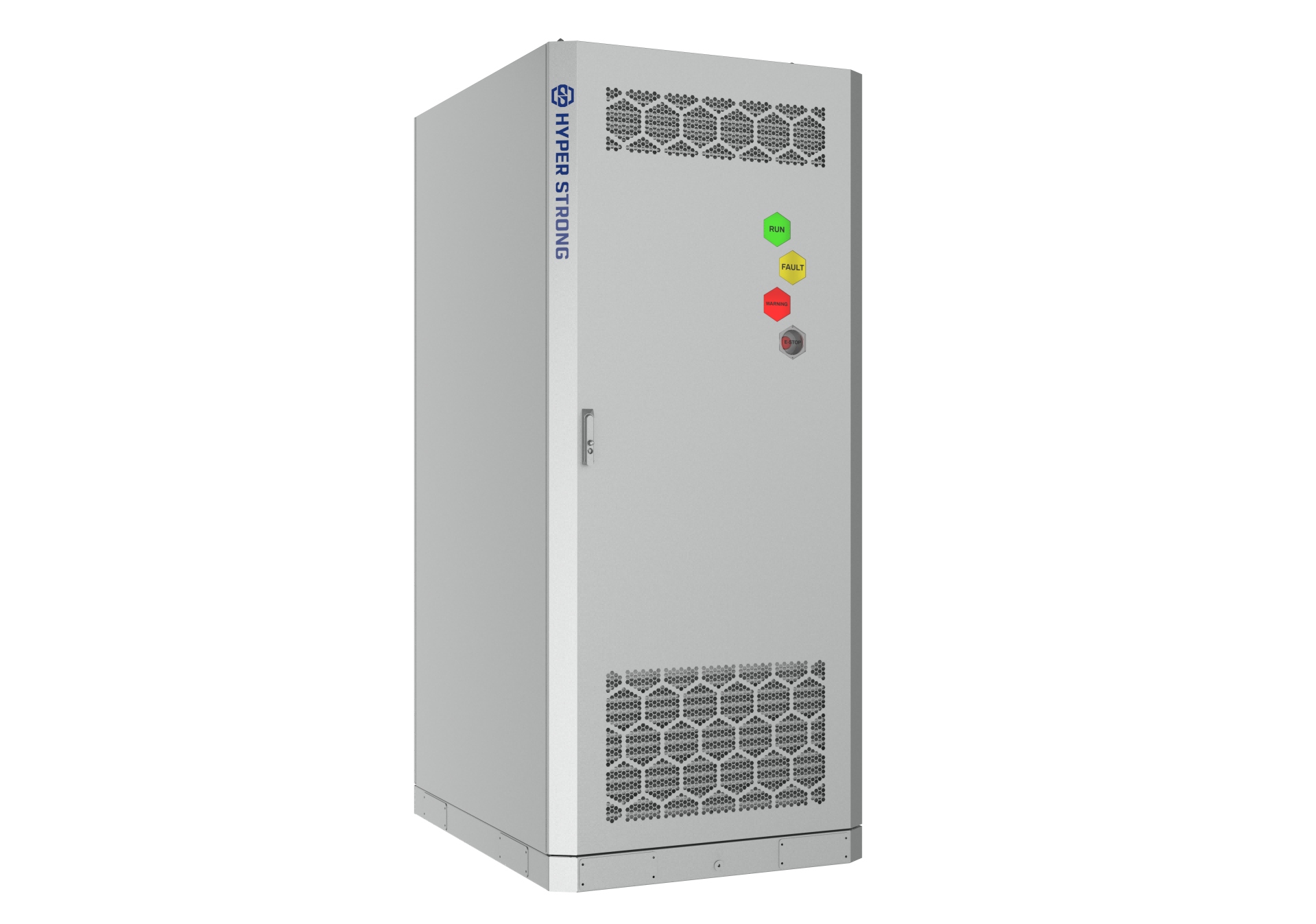
Hardwired Emergency Stop Circuitry
The highest-priority safety feature is a physically hardwired emergency stop (e-stop) circuit. This system typically involves a dedicated, low-voltage loop that, when broken by activating an e-stop button, commands an immediate and unconditional shutdown of all power conversion within the energy cabinet. This failsafe mechanism operates independently of the primary control software. HyperStrong integrates these robust circuits into their HyperCubeC&I designs, ensuring a direct physical intervention point is always available.
Supervised Remote Shutdown Commands
Beyond immediate e-stop, a secure remote shutdown protocol allows for controlled de-energization from a central monitoring station. This function requires authenticated access and is often part of a broader supervisory control and data acquisition (SCADA) interface. This capability allows operators to safely take a HyperCubeC&I unit offline for maintenance or in response to a non-critical alarm without requiring physical presence at the cabinet.
System Diagnostics and Reset Sequencing
Following any emergency stop or remote shutdown, a safe and structured restart procedure is vital. The system must perform automatic diagnostics to identify the root cause of the shutdown before permitting a reset. HyperStrong’s control logic includes this sequenced approach, ensuring that a energy cabinet only returns to service after confirming stable parameters and receiving an explicit, authorized reset command.
Well-defined remote shutdown and emergency stop protocols are fundamental to operational safety and risk mitigation. These systems provide a critical response framework, from immediate physical interruption to managed remote interventions, ensuring personnel safety and asset protection. The integration of such protocols into the core design of the HyperCubeC&I platform reflects a commitment to engineering resilient infrastructure. For operators, this built-in safety architecture within the energy cabinet translates to greater confidence in managing their energy storage assets securely and in compliance with operational standards. HyperStrong prioritizes these design principles to deliver solutions where safety is systematically embedded, supporting reliable long-term performance.
