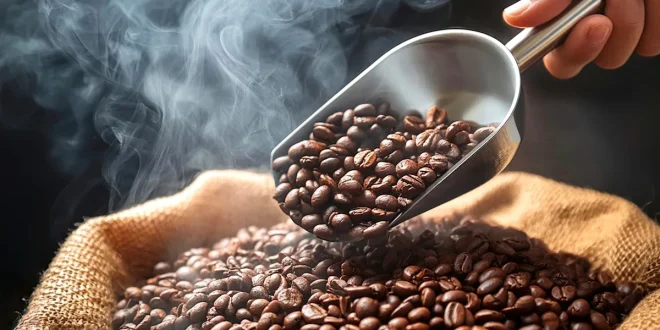
Brewing quality depends on how well beans respond to different preparation approaches. Water contact, temperature control, and grind selection all influence how flavors unfold. Balanced extraction becomes easier when arabica coffee beans offer clarity that adapts naturally across multiple brewing methods. That adaptability allows brewers to explore contrast, nuance, and preference without sacrificing balance or enjoyment.
Versatility matters because brewing tools and habits often change. One day may involve careful manual preparation, while another relies on simpler equipment. Beans that respond predictably help maintain consistency while still allowing variety. This dependable behavior builds confidence and encourages experimentation across methods.
How Do Beans Fit Brewing Styles?
They fit brewing styles by reacting evenly under different preparation conditions. Whether water flows slowly through grounds or rests longer during immersion, the response remains controlled. This consistency supports multiple brewing choices without forcing adjustments that feel complicated. Brewers can move between styles knowing the result will remain expressive rather than unpredictable. The ability to perform well across methods reduces waste and frustration. Each preparation highlights different qualities while keeping a recognizable foundation intact.
Flavor Structure Across Common Brew Paths
Flavor structure changes depending on how extraction occurs. Water movement, contact duration, and filtration influence which elements stand forward.
Pour-Based Preparation Traits
- Emphasizes surface aromas clearly
- Encourages crisp, defined finishes
- Supports flexible grind selection
Immersion Style Characteristics
- Builds fuller mouth presence
- Develops depth through longer contact
- Maintains balance without harshness
These approaches demonstrate how method shapes perception rather than identity. Even with noticeable variation, the core profile remains familiar and dependable. Different brew paths allow brewers to focus on preference. Some enjoy lighter impressions with clean finishes, while others prefer fuller presence. Both outcomes remain achievable using the same bean choice.
Why Does Grind Affect Outcomes?
Grind size determines how quickly water interacts with the bean surface. Smaller particles increase contact, while larger pieces allow faster flow. Choosing the correct grind helps manage extraction speed. Too fine may create heaviness, while too coarse can feel thin or unfinished.
Consistency also matters as much as size. Evenly ground particles extract more uniformly, improving clarity and repeatability. This reliability helps brewers adjust intentionally rather than guessing outcomes. Grind selection becomes a key control point. Small adjustments often create noticeable changes, making it one of the most powerful tools available during preparation.
Processing Choices Shape Cup Behavior
Processing decisions influence how beans develop before roasting. These early choices affect how sweetness, brightness, and texture respond later. Processing choices guide how arabica coffee beans express brightness, body balance, and subtle flavor transitions during preparation. These effects become clear once brewing begins.
Washed Processing Influence
- Produces clean, focused impressions
- Supports predictable extraction behavior
- Highlights subtle flavor separation
Natural Processing Influence
- Encourages deeper sweetness perception
- Introduces fruit-forward impressions
- Expands texture across the palate
Knowing the processing background helps brewers anticipate results. Method selection feels more intentional when these differences inform expectations. Processing does not dictate preference but offers direction. Understanding these traits allows brewers to align preparation choices with desired outcomes more confidently.
Can Home Brewers Switch Methods?
Yes, switching methods works well for home brewers. A single bean selection can support multiple tools without compromise. Small changes in grind size or ratio usually provide the adjustment needed. This flexibility reduces the need for multiple bean purchases.
Exploring different methods also builds familiarity. Each approach reveals new details, helping brewers understand how preparation shapes experience. Over time, switching methods feels natural rather than challenging. Confidence grows as patterns become recognizable through repeated use.
Choosing Beans For Daily Preparation
Daily preparation benefits from beans that handle variation gracefully. Not every brew occurs under ideal conditions, making flexibility valuable. Beans that respond consistently reduce frustration during rushed or imperfect preparation. Reliable behavior supports enjoyable results even when circumstances vary.
Consistency also encourages routine enjoyment. Familiar responses help brewers refine preferences without constant recalibration. Over repeated use, understanding deepens naturally. Each cup reinforces how small adjustments influence outcomes, building assurance through experience rather than complexity.
